
The internet didn’t break all at once. It fractured slowly.
One new platform at a time. One new algorithm. One more place asking us to show up slightly differently than before. Funny here. Serious there. Anonymous somewhere else.
In the middle of that fragmentation, fandoms quietly became one of the few places where people didn’t have to split themselves to belong.
They didn’t promise visibility.
They offered recognition.
If you’ve ever felt like you don’t really belong anywhere online — except here — you already understand fandom.
The modern internet asks us to perform constantly. To compress ourselves into formats that work for feeds, metrics, and moments. We scroll, react, move on. We’re visible everywhere, yet rarely grounded anywhere.
Fandoms work differently. They don’t flatten people into content. They hold space for memory, obsession, and care. And that changes how identity forms.
Twitter Fandom: “Receipts everywhere.”
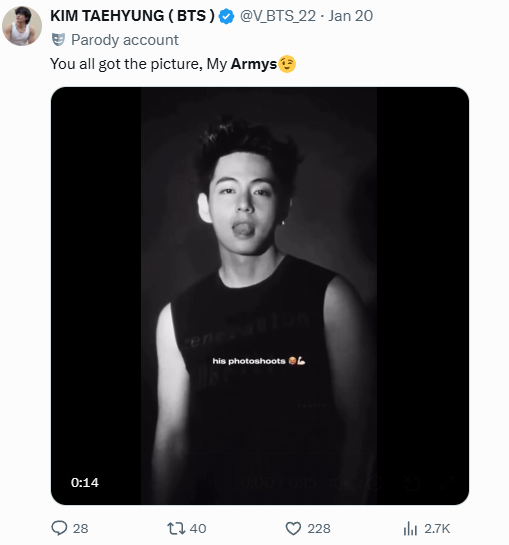
Fandom Twitter is chaotic, emotional, and sometimes exhausting — but it’s also deeply communal.
Identity here isn’t built through bios or follower counts. It’s built through references. Someone tweets about an old episode, a forgotten scene, or That Discourse From Three Years Ago, and suddenly replies fill up with “not this again” and “I still haven’t recovered.”
You don’t need context because the fandom is the context.
Even when accounts disappear, change usernames, or go private, people still remember who you were. Fandom Twitter has receipts, yes — but it also has history.
Recognition doesn’t disappear just because a handle does.
Discord Fandom: Where You’re Known Without Performing
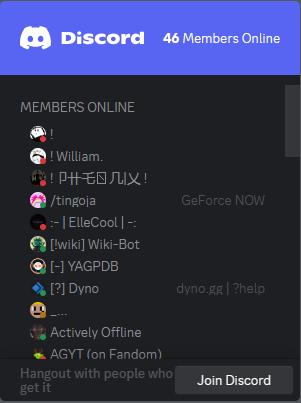
Discord feels like the opposite of Twitter.
It’s quieter. Slower. Less about being seen and more about being there. Identity forms through presence — through watch parties, long conversations, late-night spirals, and small check-ins when things get heavy.
People know you not because you went viral, but because you always show up. Or because you explain lore patiently. Or because you remember what someone said weeks ago.
For many fans, Discord is the first place online where they don’t have to be polished to belong. They can be unfiltered, inconsistent, or quiet — and still be recognised.
In a fragmented internet, that kind of continuity feels rare.
Reddit Fandom: Caring Deeply, Quietly

Reddit fandoms strip identity down even further.
Most people are anonymous. There’s no personal brand to maintain. What matters is whether you understand the thing well enough to talk about it properly.
Identity here is built through depth. Through long posts, careful analysis, and noticing details others missed. People recognise you because you clearly care — and have cared for a long time.
It’s fandom without the spotlight. Less expressive, more archival. And for many fans, that’s exactly why it works.
Why Fandom Identity Survives Platform Changes
Platforms rise, shift, and fall. Fandoms migrate.
When spaces become hostile or unusable, fandoms don’t vanish — they move. The same people. The same jokes. The same emotional references. Just in a different place.
That’s because fandom identity isn’t tied to a platform. It’s tied to shared memory and shared care.
You can leave for years and still come back to be recognised. Few online spaces offer that kind of continuity.
Recognition Is the Real Core of Fandom
Fandom identity doesn’t come from being seen by everyone.
It comes from being recognised by the right people.
Someone understands your joke. Someone remembers what you remember. Someone reacts exactly the way you did.
Over time, fandom stops being something you follow and starts being something you’re part of.
Why This Still Matters
In an internet that constantly asks us to fragment ourselves into versions, fandoms quietly offer a place where we don’t have to.
They let people care deeply. Be specific. Be a little too much. And instead of being flattened or dismissed, they’re understood.
People don’t stay in fandoms because they’re trendy.
They stay because someone remembers them. Because a joke still lands years later. Because even after disappearing for a while, they can come back and feel known.
In an internet that constantly asks us to reinvent ourselves, fandoms quietly let us stay the same.
That’s not nostalgia.
That’s belonging.
And it’s why fandoms still matter — whether the internet makes space for them or not.
No responses yet